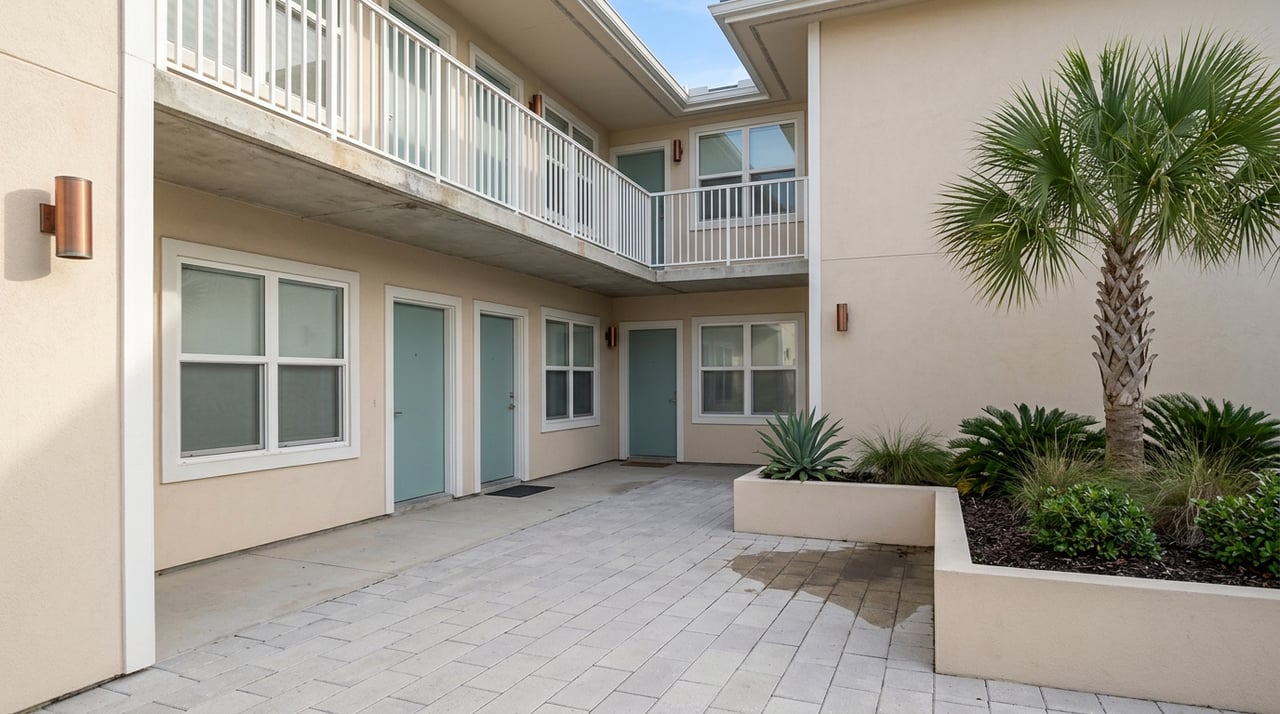
If you are torn between a condo and a house in Destin, you are not alone. Both can be a great fit, but they come with very different responsibilities, costs, and rules, especially in a coastal Florida market. If you understand how maintenance, insurance, financing, and rental rules work here, you can choose with more confidence. Let’s dive in.
Start With Your Lifestyle
The best choice often begins with how you want to live day to day. In Destin, that usually means thinking about how much upkeep you want, how often you will be at the property, and how comfortable you are with shared rules.
A condo can feel easier if you want a more lock-and-leave setup. A house can feel better if you want more control over the property and do not mind taking on more maintenance yourself.
How Condo Ownership Works
When you buy a condo in Florida, you usually own the unit itself while the condo association maintains common elements of the property. Under Florida condo law, that means the association often handles major shared parts of the building unless the declaration assigns certain items to the owner.
For many buyers in Destin, that can mean less direct responsibility for the building exterior and common spaces. It also means you are relying more on the association’s upkeep, reserve planning, and insurance structure.
Condo Maintenance Tradeoffs
This setup can be appealing in a beach market where wind, water, and storm exposure can increase repair costs. Instead of handling every exterior issue on your own, you are typically part of a shared system for maintaining the property.
That said, shared responsibility does not mean no responsibility. Your ownership experience can be affected by how well the association budgets, plans repairs, and manages reserves.
Condo Insurance Basics
A condo owner usually needs personal coverage in addition to the association’s master policy. Florida consumer guidance explains that an HO-6 policy typically covers personal property, liability, and certain interior building items that the association’s policy may not cover.
That matters because the association’s insurance may not protect everything inside your unit. It is also important to understand whether you could face a loss assessment if there is common-area damage that is not fully covered or not fully reserved for.
How House Ownership Works
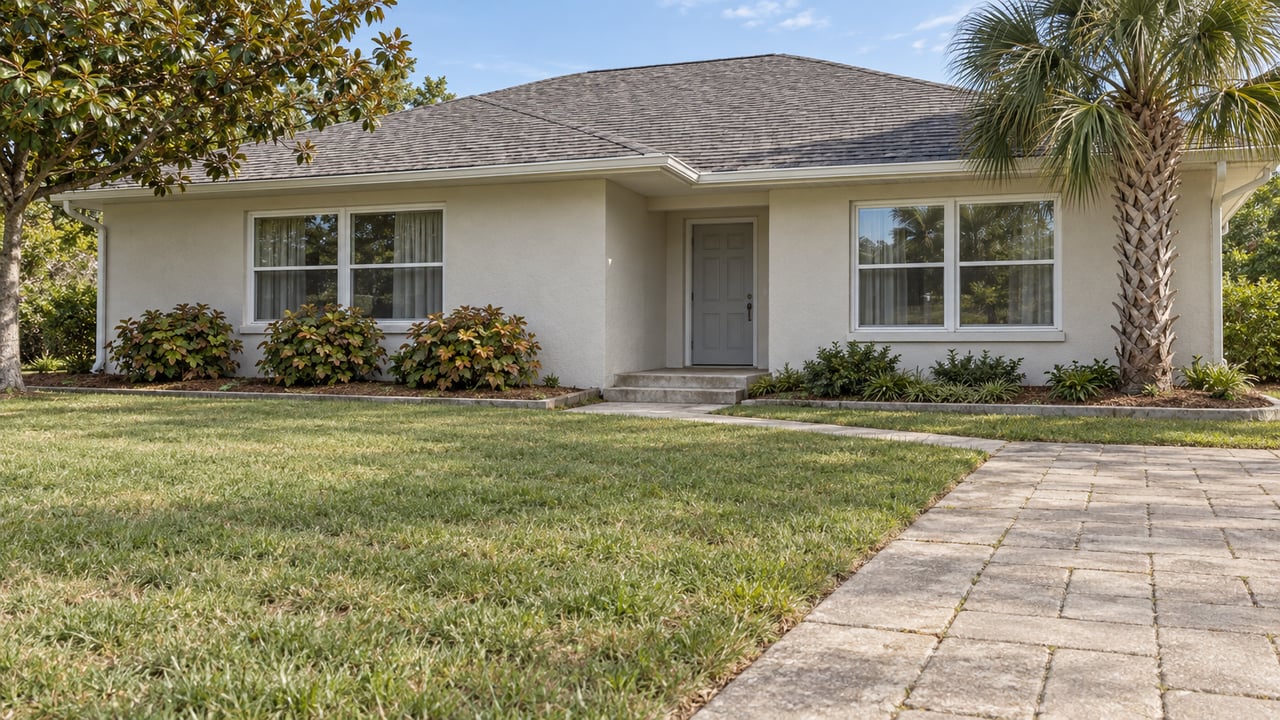
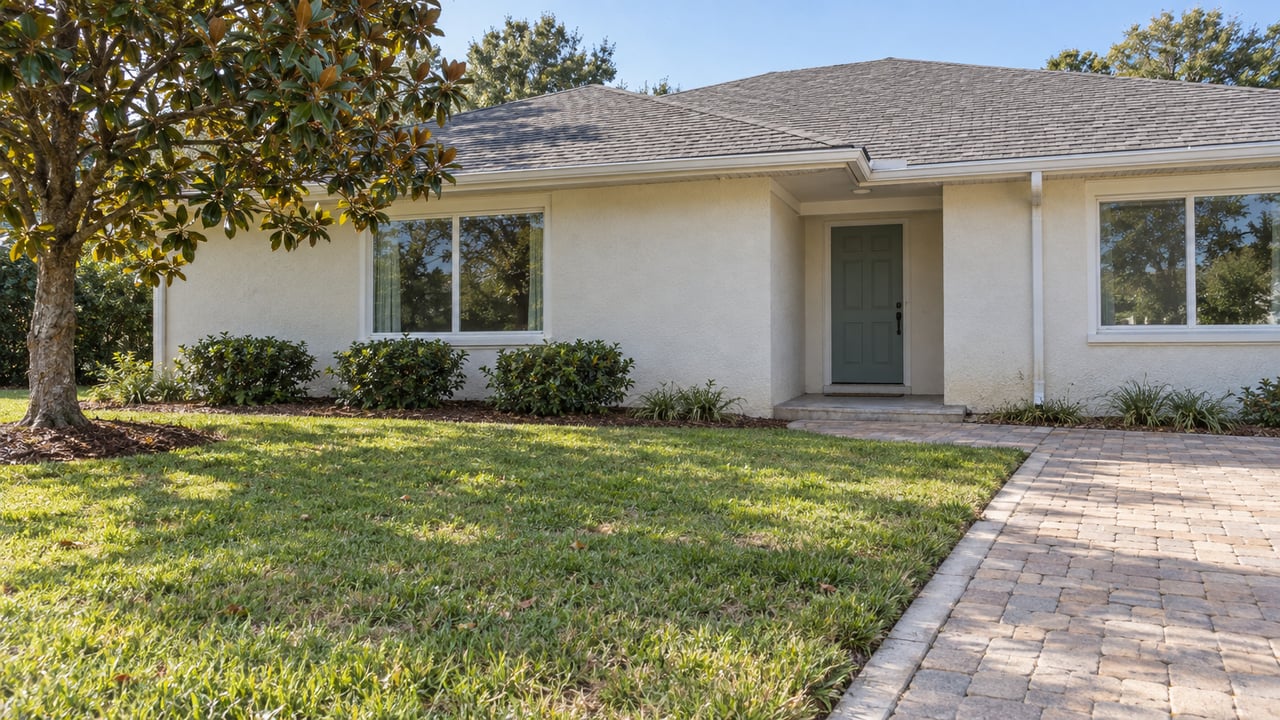
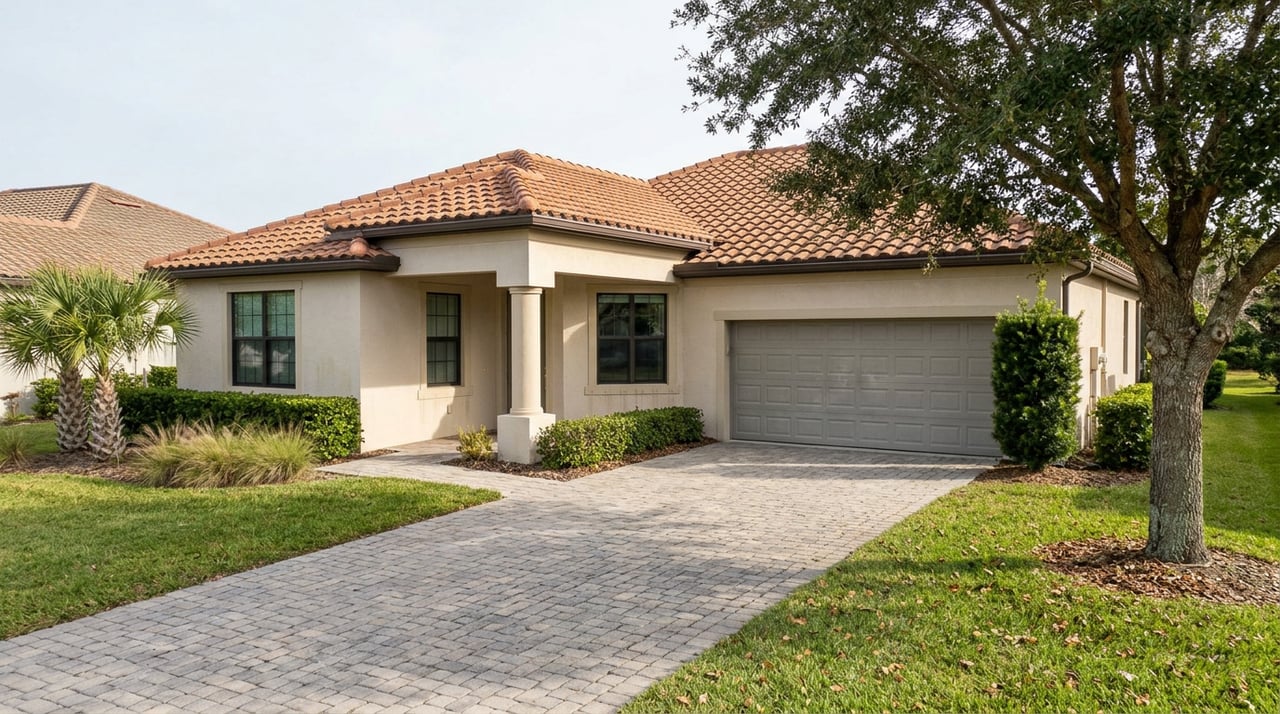
A single-family house usually gives you more direct control over the property. You are generally responsible for the structure, the lot, and much more of the day-to-day upkeep.
For some buyers, that control is worth it. If you want your own yard, more storage, or fewer shared building decisions, a house may feel like the better fit.
House Maintenance Tradeoffs
With a house, you are usually the one handling roof concerns, exterior maintenance, and many repair decisions. If the home is in an HOA, that association may still manage common areas and set community rules, but you still tend to carry more responsibility for the house itself than a condo owner does.
That can be a positive if you value flexibility. It can be a challenge if you want a lower-maintenance second home or a property you will not visit often.
House Insurance Basics
Florida consumer guidance describes a homeowners policy as coverage that may include the dwelling, other structures, contents, loss of use, liability, and medical payments. In simple terms, the insurance usually matches the structure you own directly.
In a coastal market like Destin, this means you are often carrying more of the building risk yourself. That is an important difference from a condo, where more structure-related risk is typically shared through the association framework.
Compare Rules and Fees
One of the biggest differences between condos and houses in Destin is how association rules and fees affect ownership. Both property types can involve dues and restrictions, but the scope is often different.
Condo associations may levy assessments, maintain common elements, and fund reserves. For buildings that are three habitable stories or higher, Florida requires a structural integrity reserve study at least every 10 years, and existing unit-owner-controlled associations had to complete those studies by December 31, 2025.
That requirement can make condo fees more sensitive to repairs, reserve funding, and special assessments than some buyers expect. A lower purchase price does not always mean lower total monthly cost.
What HOA Rules Mean for Houses
A house in an HOA can still come with dues and restrictions. Florida HOA law allows assessments and common-area rules, but the association’s focus is often more on shared amenities and community property than on the structure of your home.
That does not mean the rules are light. It means the rules often affect a different part of ownership than they do in a condo community.
Think Carefully About Rentals
If you may use the property as a second home or investment, rental flexibility should be near the top of your list. In Destin, short-term rental rules are local and property-type specific.
The City of Destin’s short-term rental code is written for single-family detached dwelling units and requires registration, a 24/7 responsible party, signage, and annual renewal. The city has also published a separate multi-family short-term rental ordinance notice for condo and apartment units.
Why Rental Rules Need Extra Review
The city’s FAQ says short-term rentals are generally allowed only in certain zoning districts. That means your ability to rent can depend on where the property is located and what type of property it is.
It is also important to remember that association documents may be more restrictive than the city’s baseline rules. Before you buy, review the local rules along with the condo declaration or HOA covenants so you know what is actually allowed.
Expect Different Financing Paths
Financing can be another major difference. A house loan is usually centered on you and the property itself, while a condo loan often includes an extra review of the entire project.
Fannie Mae says lenders must determine whether a condo project meets eligibility requirements before delivering the loan. Condo lending may involve project review methods, questionnaires, and project eligibility review services.
Why Condo Loans Can Take More Work
HUD’s FHA condo guidance also calls for governing documents, budgets, financial statements, reserve information, and insurance documentation when reviewing a project. In practical terms, your financing can depend not only on your credit and income, but also on the condition and documentation of the condo project.
That can affect both timing and loan options. If you are shopping under a deadline, this is one of the biggest reasons to ask questions early.
Insurance Matters in Financing Too
Fannie Mae also requires condo project master property insurance for common elements and residential structures unless the legal documents call for individual unit policies. That makes association insurance part of the financing conversation, not just the ownership conversation.
For buyers, this means condo due diligence is often broader than many people expect. A house purchase usually does not have the same project-level review.
Coastal Insurance Is a Big Factor
In Destin, insurance is never just a side note. Coastal location affects both condos and houses, but it affects them in different ways.
Florida insurance regulators say most homeowners policies do not cover flood, so flood coverage is usually purchased separately and may be required depending on the location and mortgage type. FEMA says flood insurance is mandatory for federally backed mortgages in high-risk coastal V and VE zones.
Condo Risk vs House Risk
For condo owners, protection usually comes in layers. You may have the association’s master policy plus your own HO-6 policy.
For house owners, the homeowners policy usually covers the structure directly along with other parts of the property. That means a house buyer is often carrying more direct building exposure, while a condo buyer is sharing more of that exposure through the association.
Questions To Ask Before You Offer
No matter which option you prefer, careful review can save you stress later. In Destin, the right questions can help you spot costs, restrictions, or financing issues before you commit.
Ask for these items before making an offer:
- Governing documents for the condo or HOA
- Current budget and recent financial reports
- Insurance information
- Reserve information
- Any applicable inspection or reserve study reports
- Rental rules and occupancy restrictions
- Current dues and any known special assessments
Florida condo records rules specifically include bylaws, rules, insurance policies, financial reports, and structural integrity reserve studies among the association’s official records. Reviewing them can give you a much clearer picture of what ownership will look like.
Which Fit Makes More Sense?
A condo often works well if you want less hands-on maintenance, shared amenities, and a property that may feel easier to leave for stretches of time. The tradeoff is that you need to be comfortable with association rules, project-level financing review, and fees that may shift with repairs or reserve needs.
A house often makes more sense if you want more control, more outdoor space, and a simpler ownership structure. The tradeoff is that you are usually taking on more maintenance and more direct responsibility for the property itself.
There is no one-size-fits-all answer in Destin. The right choice depends on how you plan to use the home, how much flexibility you want, and how comfortable you are with the costs and responsibilities that come with each option.
If you want help comparing condos and houses in Destin, the team at Briar Patch Realty can help you look at the details, ask the right questions, and find the fit that makes sense for your goals.
FAQs
What is the main difference between owning a condo versus a house in Destin?
- A condo usually means less direct responsibility for the building exterior and common areas, while a house usually gives you more control but also more maintenance responsibility.
How do condo fees work in Destin, Florida?
- Condo associations may charge regular dues, fund reserves, and levy assessments for repairs or capital needs, which can make total ownership costs less predictable than some buyers expect.
Can you use a Destin condo or house as a short-term rental?
- It depends on the property type, zoning, city rules, and any condo or HOA restrictions, so you should verify both local regulations and association documents before buying.
Is condo financing harder than house financing in Destin?
- Condo financing can involve extra project-level review of the association’s documents, budget, reserves, and insurance, which can affect timing and loan eligibility.
Do you need flood insurance for a home in Destin?
- Flood coverage is usually separate from a standard homeowners policy, and it may be required depending on the property location and mortgage type.
What documents should you review before buying a Destin condo or house?
- You should ask for governing documents, budgets, financial reports, insurance details, reserve information, and any applicable inspection or reserve study reports before making an offer.